
Estate planning gives you control over decisions in your life if you are incapacitated, as well as after your death. A well-made estate plan can minimize the stress and strain on your loved ones in both situations, while protecting the assets you have worked for. The right Rolling Hills estate planning attorneys can help assess your goals, safeguard your assets, and protect your loved ones, giving you more certainty for the future.
Every estate plan is unique because it has to be tailored to your specific estate, preferences, goals, and loved ones’ needs. An estate plan can be made from many different documents to better meet your needs, and each document can be personalized. Some common documents and aspects of estate plans in Rolling Hills include:
Wickers, Wickers & Admans LLP
A last will and testament is foundational in an estate plan. This signed document outlines your wishes for your estate after your death. These wishes can include:
Your will is incredibly useful to provide control over what happens to your estate, and it can clearly list the assets and debts in your estate to streamline distribution. Despite the uses of a will, only about 32% of Americans have one, according to one poll, and those who are younger are even less likely to have one.
A will does not avoid the probate process, which is where your assets and estate go through the court. Probate in Rolling Hills is usually handled by the County of Los Angeles Superior Court of California Probate Court, in the nearest location, the Metropolitan Courthouse in Los Angeles.
You need other estate planning tools to avoid this lengthy and often costly process. When you have these other tools, like a trust, you still need a will. It exists to enforce the decisions besides asset distribution. It’s also still important for asset distribution because it becomes a pour-over will and transfers any remaining assets to your trust.
A trust is created by you, the grantor, to hold assets. It is an agreement with a trustee to manage your assets. You might name yourself or someone else as the trustee. If you are the trustee, you name another person as the successor trustee, who becomes the trustee if you are incapacitated or pass away.
A trust is a legal entity, so when you die, the assets in it do not enter state jurisdiction. They are still managed by the trustee you named. The trustee can then distribute assets in your estate to named beneficiaries according to your wishes. The process is generally more private, less costly, and less time-consuming compared to probate. You also have more control over when assets are distributed and what they are used for.
In Rolling Hills, there is a 93.8% homeownership rate, and 91.2% of homes in the area are valued at $1 million or more. This is a major asset for most families that is important to properly protect.
Trusts are incredibly customizable and useful in an estate plan, and a skilled attorney can help you use them to safeguard your interests. You can implement both revocable and irrevocable trusts in your estate plan, depending on your needs. Revocable trusts can be altered while you are living, while irrevocable trusts are much more difficult to change after they’ve been made but offer unique tax and asset protection benefits.
If you are curious about the difference between a will and a trust, a trust is quite similar to a will in that they are both written legal documents that give a third-party instructions about what to do with real and personal property. However, the largest difference between a will and trust is that a will is effective only upon someone’s death.
A power of attorney document is when you put someone else in charge of important decisions, like financial, legal, or medical choices. In an estate plan, you generally create durable powers of attorney, which means the powers given to another person are only put in place when you are incapacitated and cannot make those choices yourself. This helps protect you and prevents your loved ones from having to take the time to get these powers through the court.
An advance healthcare directive is a document that specifies your preferences for medical care in situations where you cannot make the choices yourself. It often works with a healthcare power of attorney document, and this combination makes a living will.
Your healthcare power of attorney can use the information in your healthcare directive to make choices for you. The document can determine who gets information about your health, what your pain management preferences are, where you want to receive medical treatment, end-of-life care, religious and spiritual wishes, and other preferences.
Certain accounts can be given beneficiary designations that allow the account to pass immediately to a beneficiary, without the need for probate or a trust. This might include life insurance policies, retirement accounts, and bank accounts, which can be made payable or transferable on death.
Wickers, Wickers & Admans LLP is dedicated to helping families and individuals throughout South Bay and its communities. Our skilled attorneys have more than 25 years of combined legal experience and have spent more than a decade working together to protect the interests of families, creating estate plans to protect their future. These plans can be complex, and creating them can be emotionally challenging. We want to make the process straightforward.
We focus on long-term relationships with our clients because we believe this is crucial to support your goals and needs in estate planning. Our team offers proactive steps to protect your loved ones and estate because we know how important it is to give you peace of mind. We work with you to create the right estate plan to address your concerns.
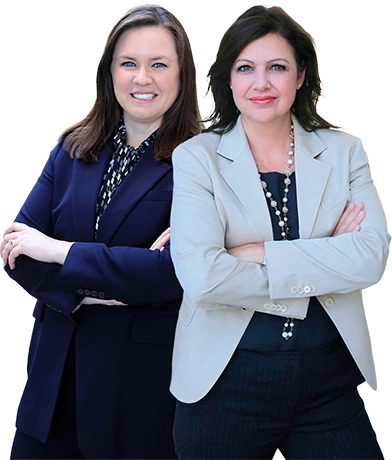
A comprehensive estate plan can avoid probate, minimize conflict between your loved ones, safeguard the value of your assets for beneficiaries, and provide for your own care when you need it. When you hire an estate planning attorney, they can help you create a legally enforceable and useful plan specific to your needs.
At Wickers, Wickers & Admans LLP, we can help you safeguard your legacy and your future. Contact us to schedule a consultation with our experienced attorneys today and learn how we can guide you through the estate planning process.

They are amazing here. Hard working and honest people. Highly recommend!!

Great probate attorney Miss Wickers gave me a consultation and listened to my needs and actually paid attention, unlike some attorney's out there. I had a family member pass away and Miss Wickers showed a lot of compassion and was very understanding of my situation. She help us through a…

The staff is very professional and compassionate. I highly recommend this law firm to my friends and family. They will fight hard for you!
Thank you guys so much for your professional and prompt service. It’s so refreshing to have a legal team that is always so responsive!
Good Consult! She gave me a good consult! And good guidance on where to go from here to prepare for the process, very understanding!
Fields Marked With an “*” are Required
"*" indicates required fields

If you are facing a probate dispute, trust litigation matter, or inheritance conflict, early legal guidance can make a significant difference.
Copyright © 2026 Wickers, Wickers & Admans, LLP• All Rights Reserved. Disclaimer | Site Map | Privacy Policy.
Please note that the founding partner Rodney W. Wickers has Retired. This website is an advertisement and for general information only and is not intended give legal advice, legal recommendations or offer to perform legal services. To obtain our legal representation a written Agreement signed by this office is required. Please note, we practice law in California, and this site contains information about California only.
